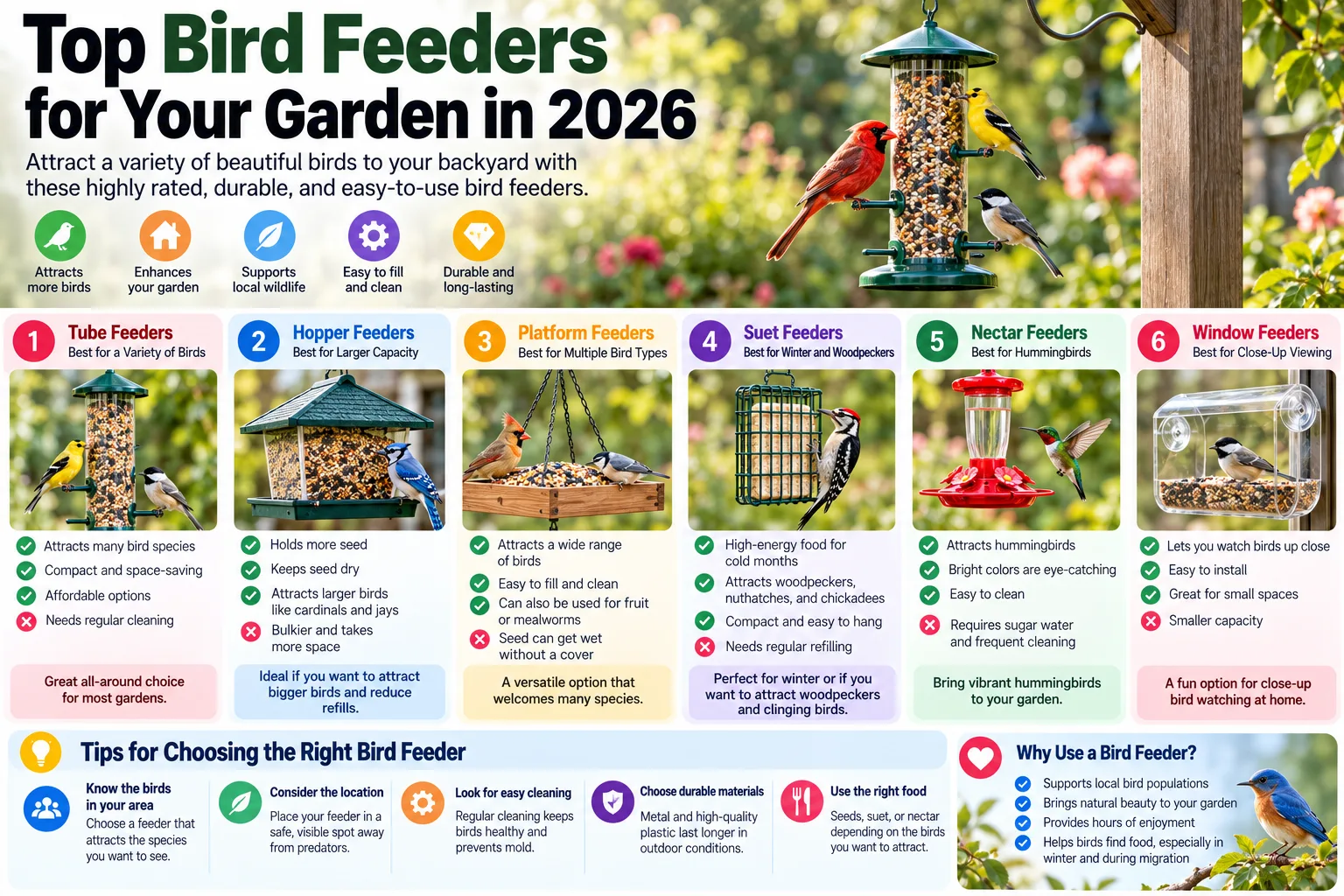
Why Bird Feeders Are Essential
Well-stocked bird feeders play a crucial role in supporting local bird populations, especially during times when natural food sources are scarce. By regularly replenishing your feeders, you create a reliable food source that encourages birds to return to your garden. This not only enhances your garden's biodiversity but also provides an opportunity for birdwatching enthusiasts to observe various species up close.
To attract a wider range of birds, it's beneficial to offer a variety of foods. Options such as specialist bird cakes, seeds, mealworms, and flaked maize can entice different species. Each type of food serves a unique purpose, catering to the dietary preferences of various birds. For instance, mealworms are particularly appealing to insectivorous birds, while seeds attract granivorous species.
Choosing the Right Bird Feeder
When selecting a bird feeder, consider the types of birds you wish to attract and the layout of your garden. There are three main types of feeders: seed feeders, nut feeders, and suet feeders. Seed feeders are versatile and can attract small birds like sparrows and finches. Nut feeders, typically made from metal mesh, are designed to hold peanuts and are favored by woodpeckers and tits. Suet feeders, which hold suet cakes or balls, are popular among starlings and other birds that enjoy high-energy food.
It's also important to consider the feeder's design and features. Some feeders come with squirrel-proof mechanisms, which can be beneficial in areas where squirrels are prevalent. Additionally, feeders made from recycled materials are becoming increasingly popular, as they are both eco-friendly and functional. For example, the Peckish 100% recycled woodland feast multi feeder is made from sustainable materials and is easy to clean, making it a great choice for environmentally conscious bird lovers.
Best Practices for Bird Feeding
To ensure the health of the birds visiting your feeders, it's essential to follow best practices for bird feeding. The RSPB recommends adjusting your feeding habits seasonally, especially during the summer and autumn months when the risk of disease transmission is higher. From May to October, it's advisable to pause filling feeders with seeds and peanuts to prevent overcrowding, which can lead to the spread of diseases like trichomonosis.
Maintaining hygiene is also critical. Clean your feeders at least once a week and consider relocating them after cleaning to avoid the buildup of contaminated debris. Additionally, change the water in bird baths daily and ensure it is fresh and clean. By following these guidelines, you can create a safe and inviting environment for birds in your garden.