The ASUS ProArt P16 stands out as a high-performance laptop specifically designed for creators, featuring the innovative NVIDIA RTX Spark technology. This device is aimed at AI professionals and those in need of robust computing power, but does its high cost justify its offerings?
1. ASUS ProArt P16
Characteristics and opinion
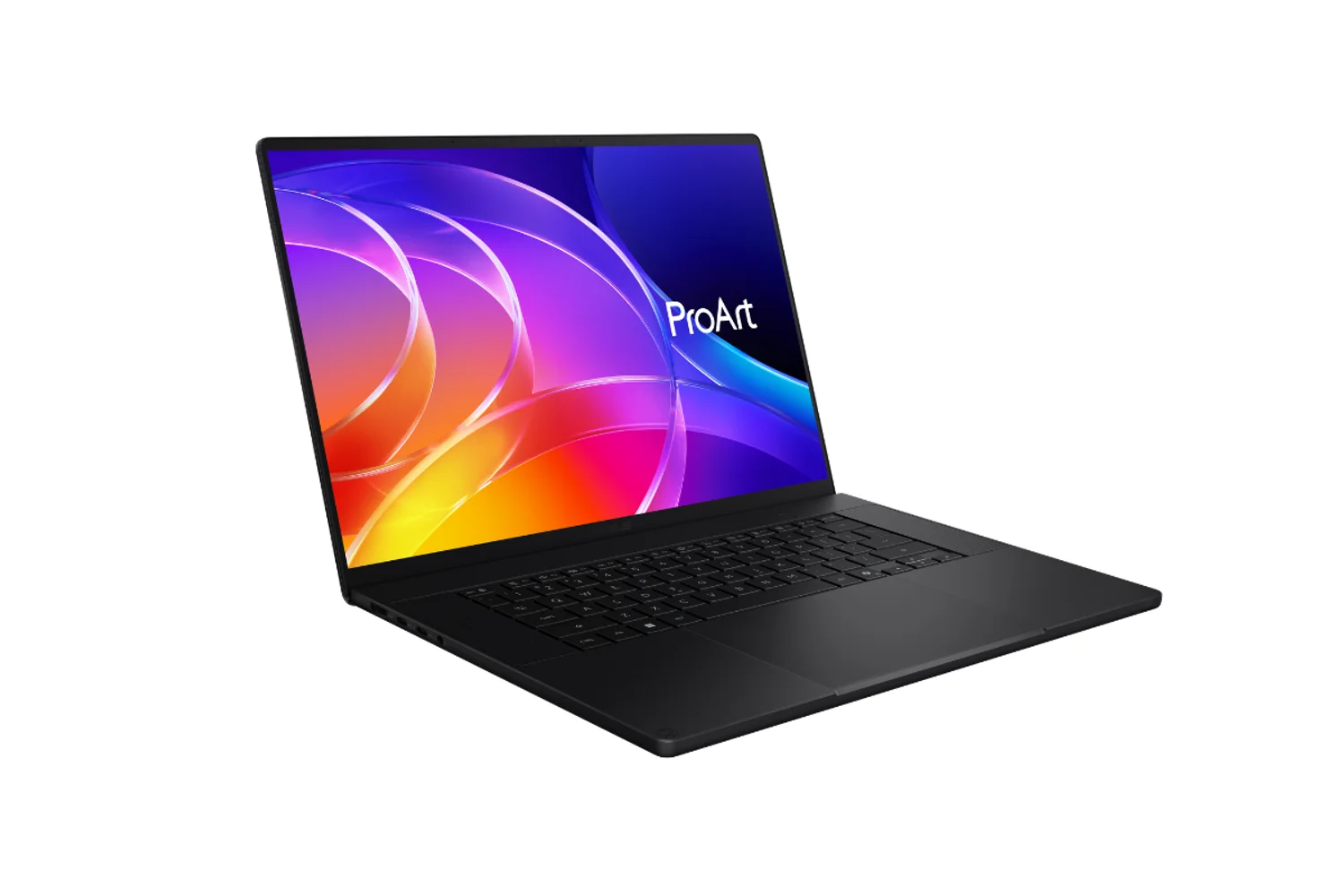
The ASUS ProArt P16 is a sleek and powerful laptop, tailored for professionals who work with demanding applications, particularly those running local AI models. It features NVIDIA's RTX Spark, an advanced SoC that combines a 20-core CPU with a modern GPU, making it ideal for AI research and heavy-duty graphics tasks. However, its steep price tag means it's not for everyone, and its appeal is strongest among users who can exploit its unique capabilities.
Under the hood, RTX Spark pairs a 20-core Arm CPU with a Blackwell-generation GPU and up to 128GB of unified memory shared between them, a design closer to Apple's M-series chips than to a traditional Windows laptop. That shared memory is the real selling point: in Engadget's testing, the P16 ran a 27-billion-parameter Qwen model that alone used 42GB of RAM and still had plenty left for other work. It also beat a MacBook Pro with M5 Max in Geekbench 6's GPU test and in UL Procyon's AI image-generation and computer-vision benchmarks, although Qualcomm's Snapdragon X2 Elite still came out ahead on single-threaded CPU speed.
The rest of the laptop lives up to its price. The 16-inch Lumina Pro OLED screen reaches up to 1,600 nits, the aluminum chassis weighs about 3.9 pounds, and the port selection covers three USB-C ports, USB-A, HDMI, a full-size SD card reader and a headphone jack. Battery life is the weak spot: about 10 hours and 51 minutes in PCMark 10's Applications test, short of the 15-plus hours some premium rivals manage, although performance didn't drop when the laptop was unplugged. The glossy black finish also picks up fingerprints quickly.
Key specifications
- 16-inch OLED display with peak 1,600-nit brightness
- Powered by NVIDIA RTX Spark technology
- Supports up to 128GB unified memory
- Features a variety of ports, including three USB-C and HDMI
- 3.9 pounds in weight, lighter than some competitors
- ✓Robust AI and graphics performance
- ✓High-quality OLED display
- ✓Lightweight for its class
- ✓Extensive connectivity options
- ·Extremely expensive, starting at $2,800
- ·Potential compatibility issues with older software
- ·Not the best choice for pure gaming performance
Which one should you buy?
If you're considering the ASUS ProArt P16, it's important to evaluate whether its unique capabilities align with your needs. This device excels in environments requiring high RAM usage and AI processing but might not be the best choice for standard gaming or general multimedia tasks due to emulation concerns.
For professionals in the AI field or those working on intensive graphics projects, the high investment could be worthwhile. However, if your primary needs are gaming or general creative tasks with broader software compatibility, there may be other options that offer better value without the premium cost.
Pricing starts at about $2,800 and climbs steeply with memory; Engadget's 128GB review unit cost around $7,000. Gamers should also know that most Windows games run on RTX Spark through Microsoft's Prism emulator, so a conventional RTX 5070 gaming laptop will usually be cheaper and more compatible. For AI developers who want to run large models on the device, though, the P16 is one of the most capable portable options you can buy.
Conclusion
The ASUS ProArt P16 is an impressive premium laptop that offers cutting-edge performance for a niche audience. Its innovative use of NVIDIA's RTX Spark technology provides a significant edge in AI and graphics tasks. Nonetheless, its hefty price and potential software compatibility issues make it a less viable option for the general consumer or gamers, who may find better value elsewhere.