Understanding the PHP2Shell Vulnerability
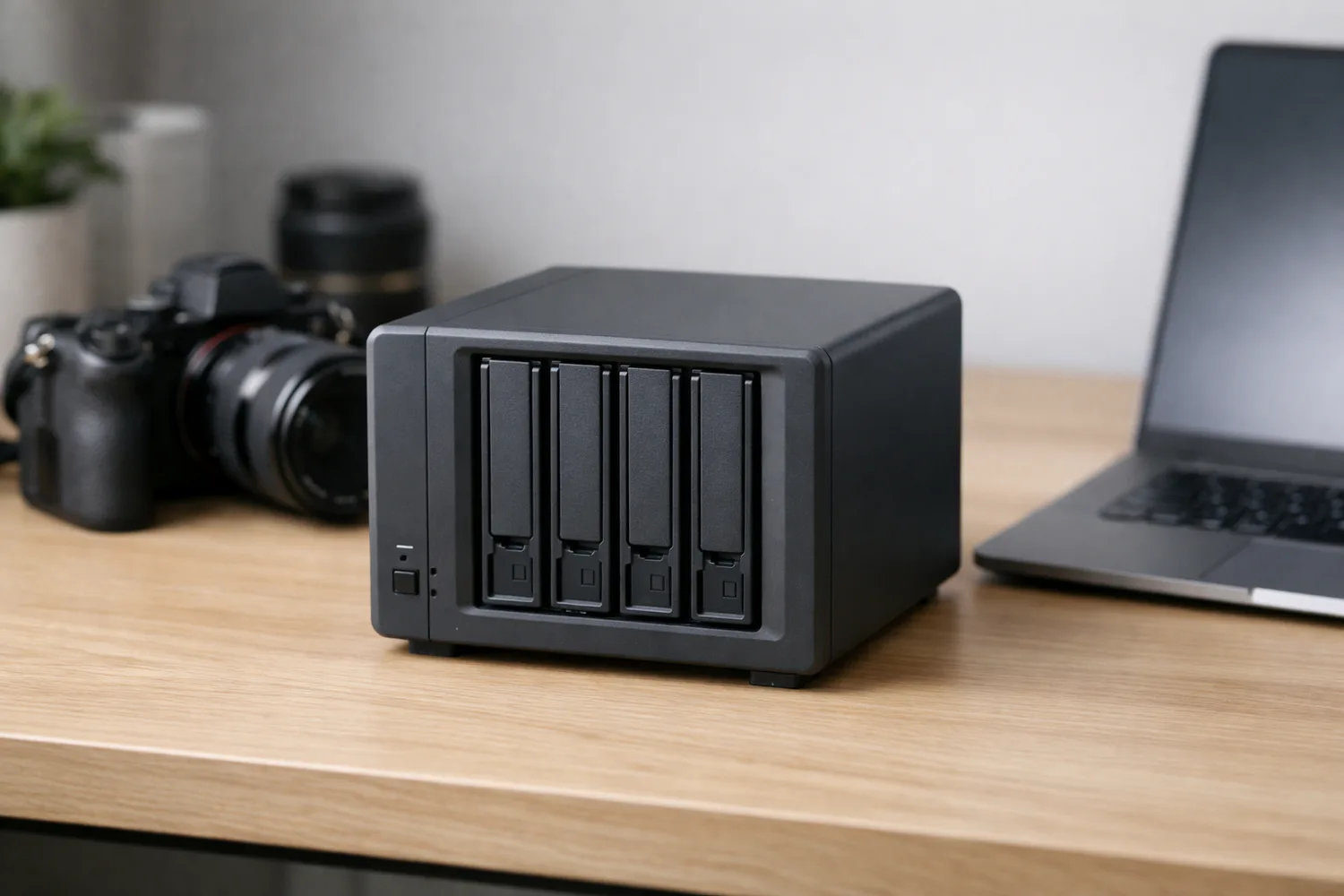
A newly discovered pair of vulnerabilities, known as PHP2Shell, has raised significant concerns across the tech world. Identified as CVE-2026-109618 and CVE-2026-109619, these flaws pose a severe threat due to their ability to enable remote code execution. Initially, PHP2Shell appeared to primarily impact websites and web applications due to PHP's widespread use in these environments. However, recent findings, as reported by Apple Insider, reveal that Network Attached Storage (NAS) devices are also vulnerable, especially those exposed to the public internet.
Impact on NAS Devices
The vulnerabilities in PHP2Shell extend beyond web environments, affecting NAS devices that could lead to considerable security breaches when exposed on public networks. NAS manufacturers like Synology and QNAP have been responding, but some systems remain without patches, leaving users open to potential attacks.
Synology and QNAP's Response
As per Apple Insider, Synology has acted by releasing updated PHP packages to mitigate vulnerabilities affecting versions 7.3 to 8.4 of PHP, as well as Mail Station and Synology Calendar. Users of Synology NAS are advised to visit the company's Package Center to look for and apply updates for PHP 8.2 and PHP 8.4 to secure their devices.
Meanwhile, QNAP has recognized a broad array of its products as being impacted by the PHP2Shell vulnerabilities, covering versions like QTS 5.2.11 and older, as well as QTS 6.1.9, QuTS hero, and QuTScloud. Although a comprehensive fix is underway, QNAP advises users to enhance security by removing devices from the open internet and disabling unnecessary remote access features.
Recommended Security Measures
While NAS device users await full patches, immediate steps are crucial to mitigate risks. Establishing a VPN for remote access is advisable over using standard practices like port forwarding to bolster security. Users should shut down unsolicited incoming connections and limit NAS device accessibility to local networks. Staying updated with the latest releases and promptly applying patches is imperative to maintain a secure environment.
Should You Be Concerned?
The PHP2Shell vulnerabilities underscore the necessity of maintaining NAS devices' security through diligent updating. Considering PHP's extensive use within NAS systems, users need to ensure that patches are applied as they are made available and adhere to recommended security practices to protect their data.
Conclusion
The rise of PHP2Shell vulnerabilities serves as a crucial reminder to NAS device users. As Synology and QNAP continue to work on delivering security updates, it is essential for users to remain observant and follow established security protocols to safeguard against potential threats.