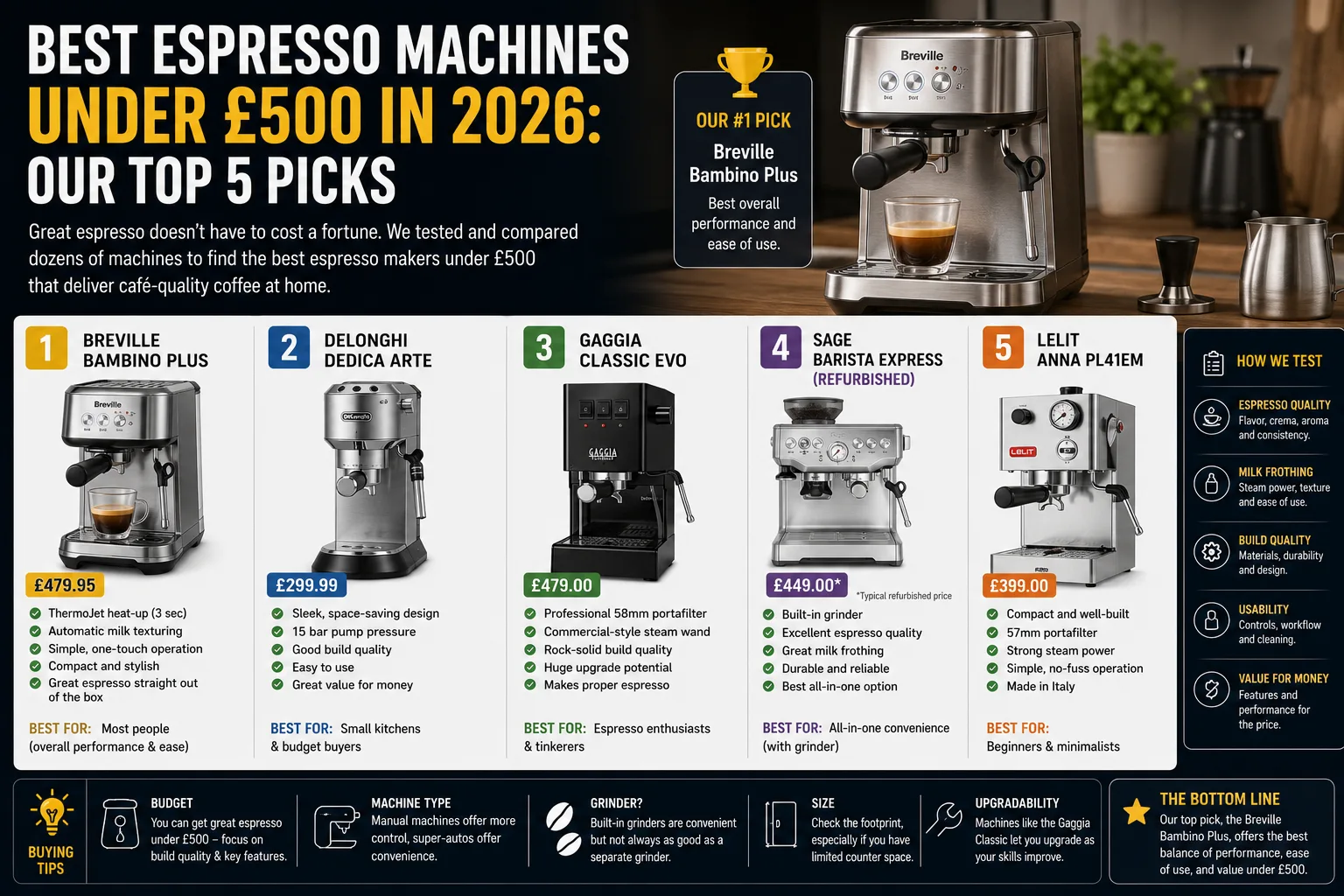
Under $700 is the sweet spot in home espresso. Spend less and you are buying a steam toy; spend more and you are mostly paying for build quality rather than a better cup. Every machine below can pull a genuinely good shot — what separates them is how quickly they get there, how well they steam milk, and whether you need to budget for a grinder on top.
The one-line answer: a $450 machine with a $200 grinder beats a $700 machine with a built-in one, almost every time.
The top 5 at a glance
#
Machine
Price
Heat-up
Grinder
Best for
1
Breville Bambino Plus
$470
~3 sec
No
Most people
2
Sage Barista Express
$739
~30 sec
Built-in
One-box setups
3
Gaggia Classic Evo Pro
$604
~5 min
No
Upgraders
4
De'Longhi Dedica EC685
$214
~40 sec
No
Tight budgets
5
Sage Barista Express (alt)
$739
~30 sec
Built-in
Milk drinks
Affiliate disclosure: This article contains affiliate links. We earn a commission when you buy through our links, at no extra cost to you.
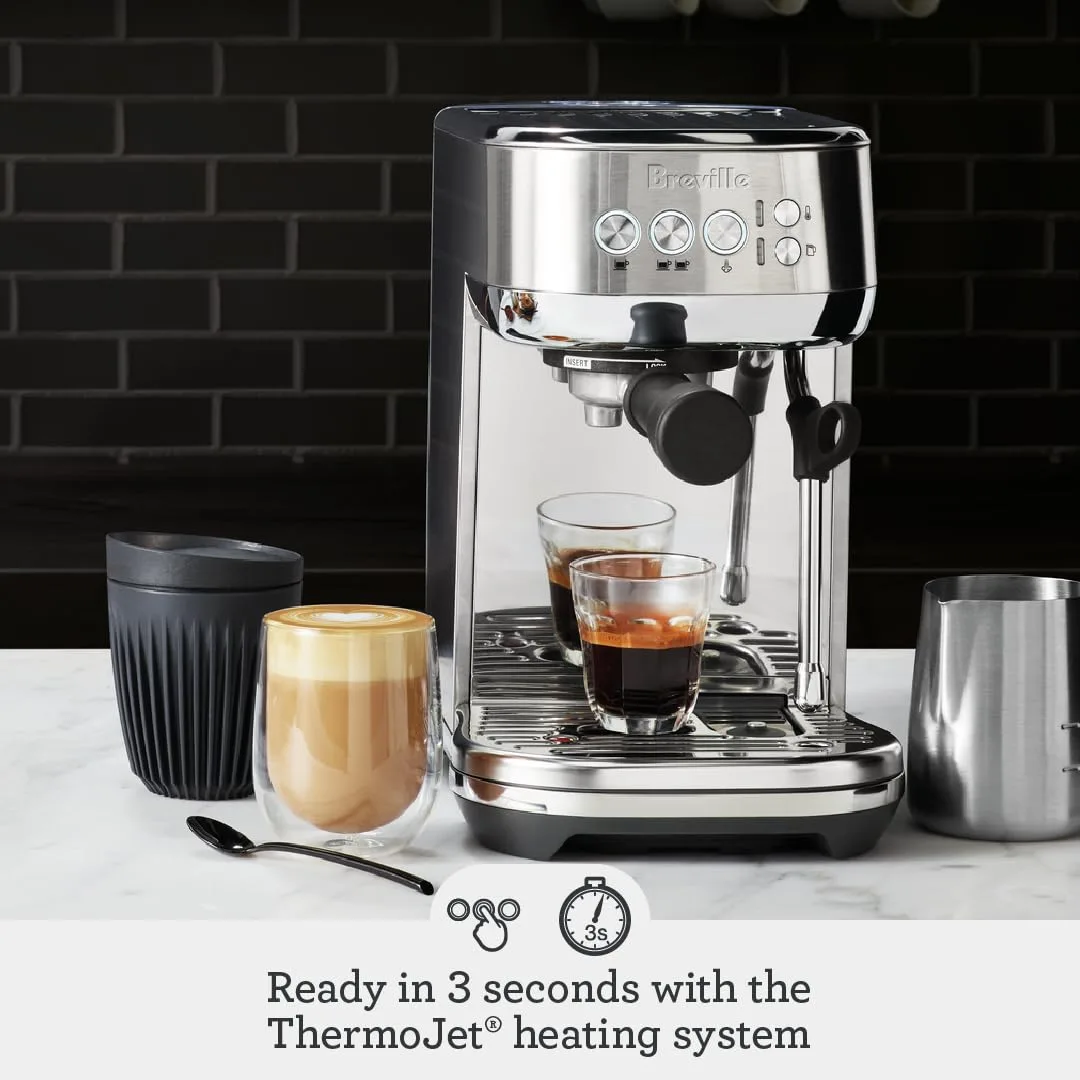
Breville's ThermoJet block reaches extraction temperature in about three seconds. That sounds like marketing until you own a machine that takes half a minute — it is the difference between making espresso on a weekday morning and not bothering. The automatic steam wand textures milk to a set temperature and froth level, so flat whites are repeatable from your first week rather than your third month.
Buy it if you want the best cup per pound and are happy owning a separate grinder. Skip it if worktop space means you can only have one appliance.
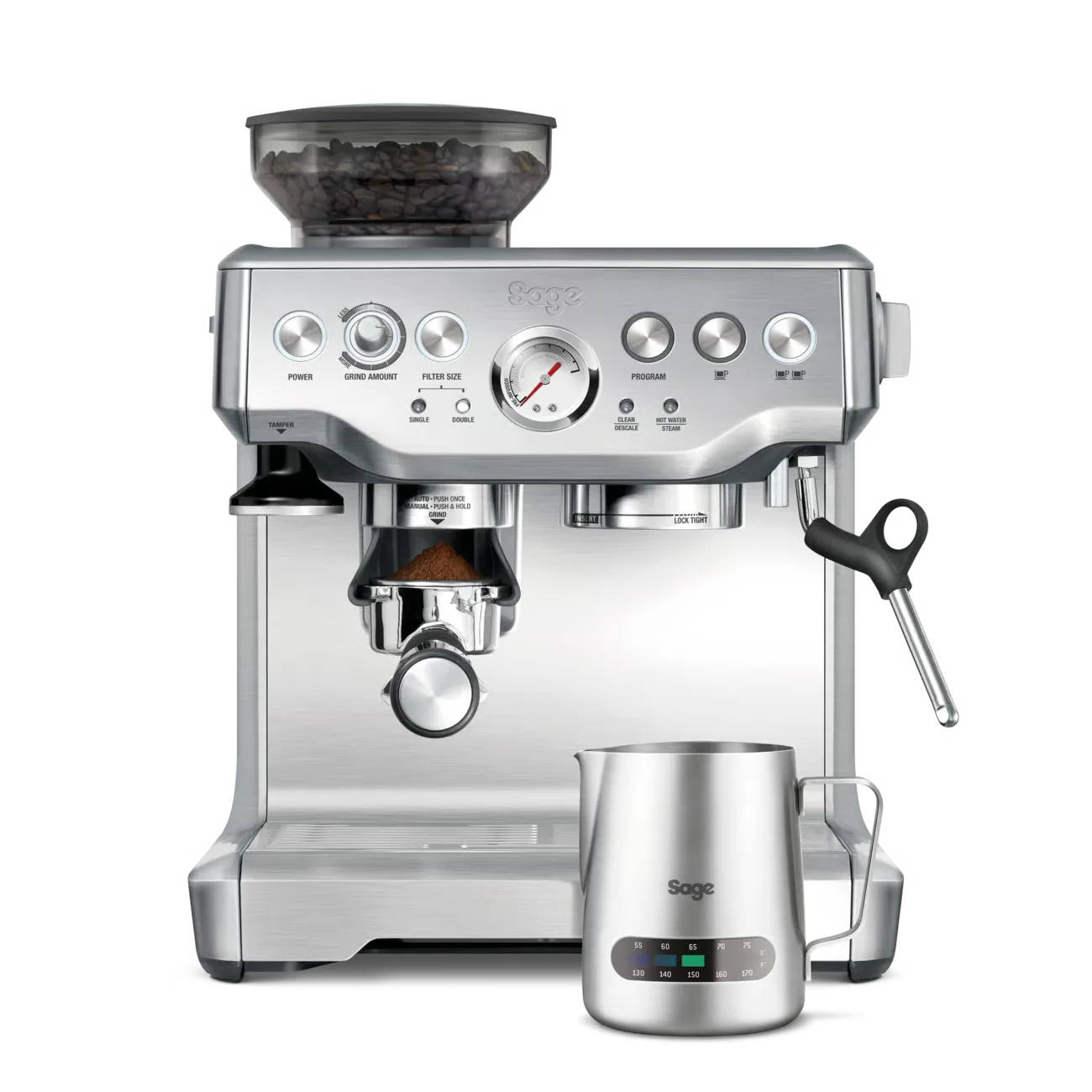
The Barista Express bundles grinder, dosing and tamping into one unit. It is marginally over our $700 budget but remains the default recommendation for anyone who will genuinely never buy a separate grinder — and the grinder inside it is a real burr grinder, not a blade.
Buy it if one appliance is a hard constraint. Avoid it if you might get serious later: the fixed grinder becomes the ceiling on your cup quality.
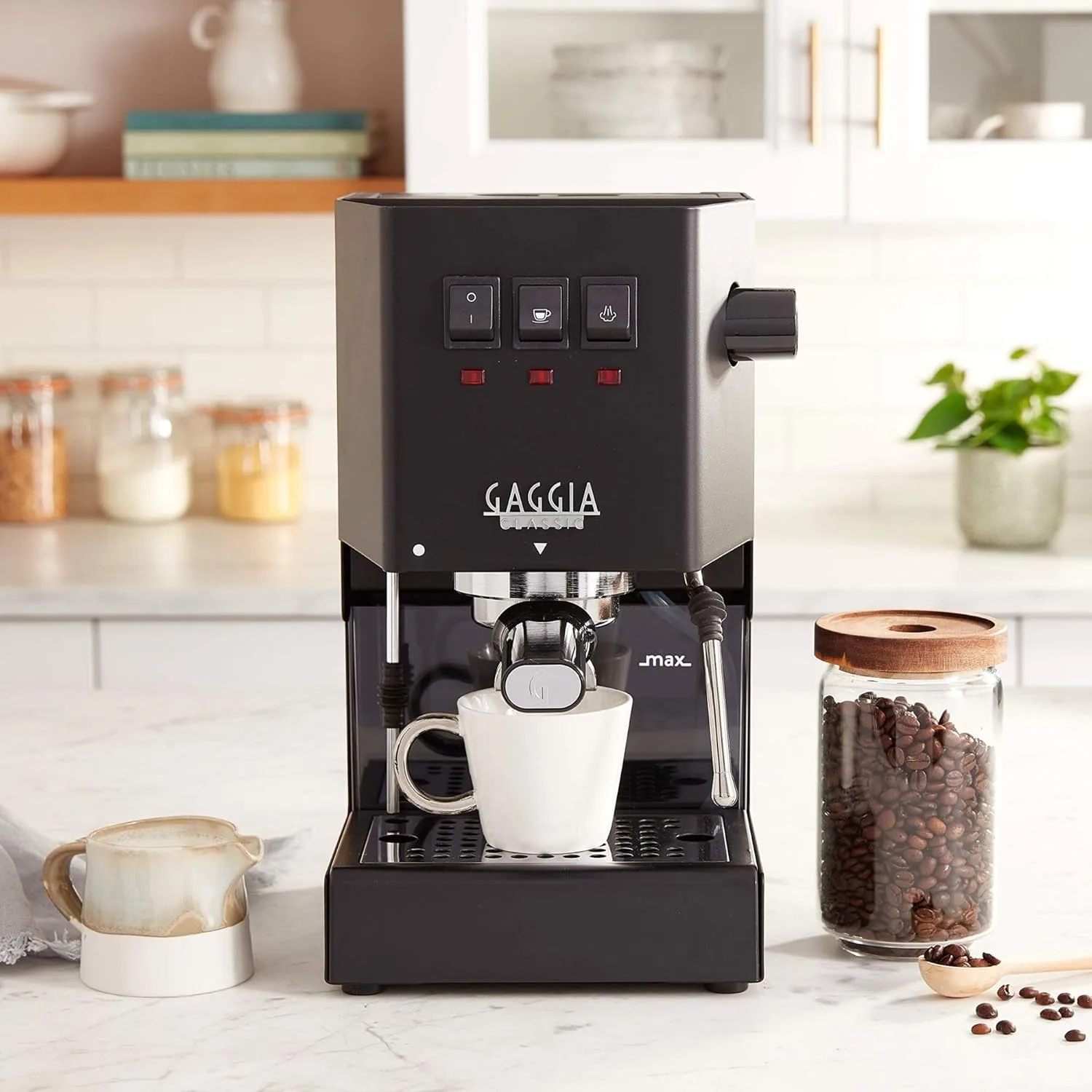
The Gaggia is a commercial-style machine in a domestic body. The 58mm group means every accessory, basket and tamper made for café equipment fits. Nothing else at this price is as modifiable — PID kits, pressure gauges and IMS baskets are all bolt-on.
Buy it if tinkering appeals and you accept a five-minute warm-up. Avoid it if you want to press a button and get coffee.
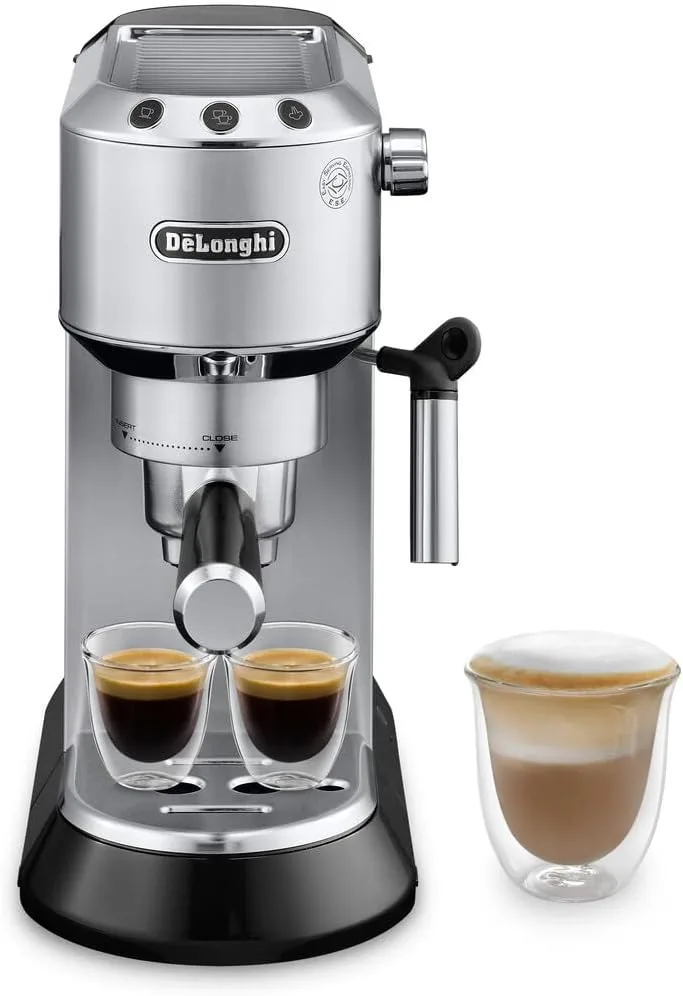
The Dedica is the cheapest machine here that produces real espresso rather than hot brown water. The stock pressurised baskets flatter bad grinding, which is helpful at first and limiting later — swapping to unpressurised baskets is the standard upgrade.
Buy it if the budget is genuinely tight or space is at a premium. Expect to work harder for a good shot.
What to look for
What to look for
1.
Heat-up time
Anything over 30 seconds gets used less. Thermoblock and ThermoJet machines are ready in seconds; boiler machines take minutes.
2.
Portafilter size
58mm matches commercial gear and has the widest accessory choice. 54mm is fine; 51mm and pressurised baskets limit you.
3.
Steam power
If you drink flat whites, steam matters more than brew. Automatic wands are consistent; manual wands are better once learned.
4.
Grinder budget
Budget $162–$250 for a burr grinder if the machine has none. Pre-ground coffee wastes any machine on this list.
Claim
A separate grinder matters more than a better machine.
Evidence
Grind size is the main variable you adjust to fix a sour or bitter shot. A machine with no grind control cannot be dialled in, which is why a mid-price machine plus a good grinder consistently beats an expensive all-in-one at the same total spend.
Prices were correct at the time of writing and are re-checked automatically, but retailers change them often — confirm on the retailer's page before buying.
Do I really need a separate grinder?
Yes, if you want good espresso. Pre-ground coffee goes stale within days and cannot be adjusted for grind size, which is the main lever for fixing a bad shot.
Is a bean-to-cup machine easier?
Easier, yes — better, no. Bean-to-cup trades cup quality and control for one-touch convenience, and costs more to repair.
How much should I spend in total?
About $700 all in: roughly $450 on the machine and $200 on a grinder gets consistently good espresso at home.
Which is best for milk drinks?
The Bambino Plus. Its automatic wand hits a set temperature and froth level every time, which is harder to achieve manually.
Editor of Majumedia. I research and compare consumer tech, home, fitness and travel gear, digging through manufacturer specifications, warranty terms and long-term owner reports so buying guides reflect what a product is actually like to live with — not what the marketing says.
Tested recommendations, honest reviews — no fluff.
Maju Media
owner
Editor of Majumedia. I research and compare consumer tech, home, fitness and travel gear, digging through manufacturer specifications, warranty terms and long-term owner reports so buying guides reflect what a product is actually like to live with — not what the marketing says.